White-Label Library

Year

2022-2023

Client

B2B  •  Higher-ED

Role

UX/UI 

Tools

Sketch  •  Zeplin 

Year

2023

Client

B2B  •  Corporate Learning

Role

UX/UI  •  Branding  •  User Research

Tools

Figma  •  Webflow  •  ChatGPT

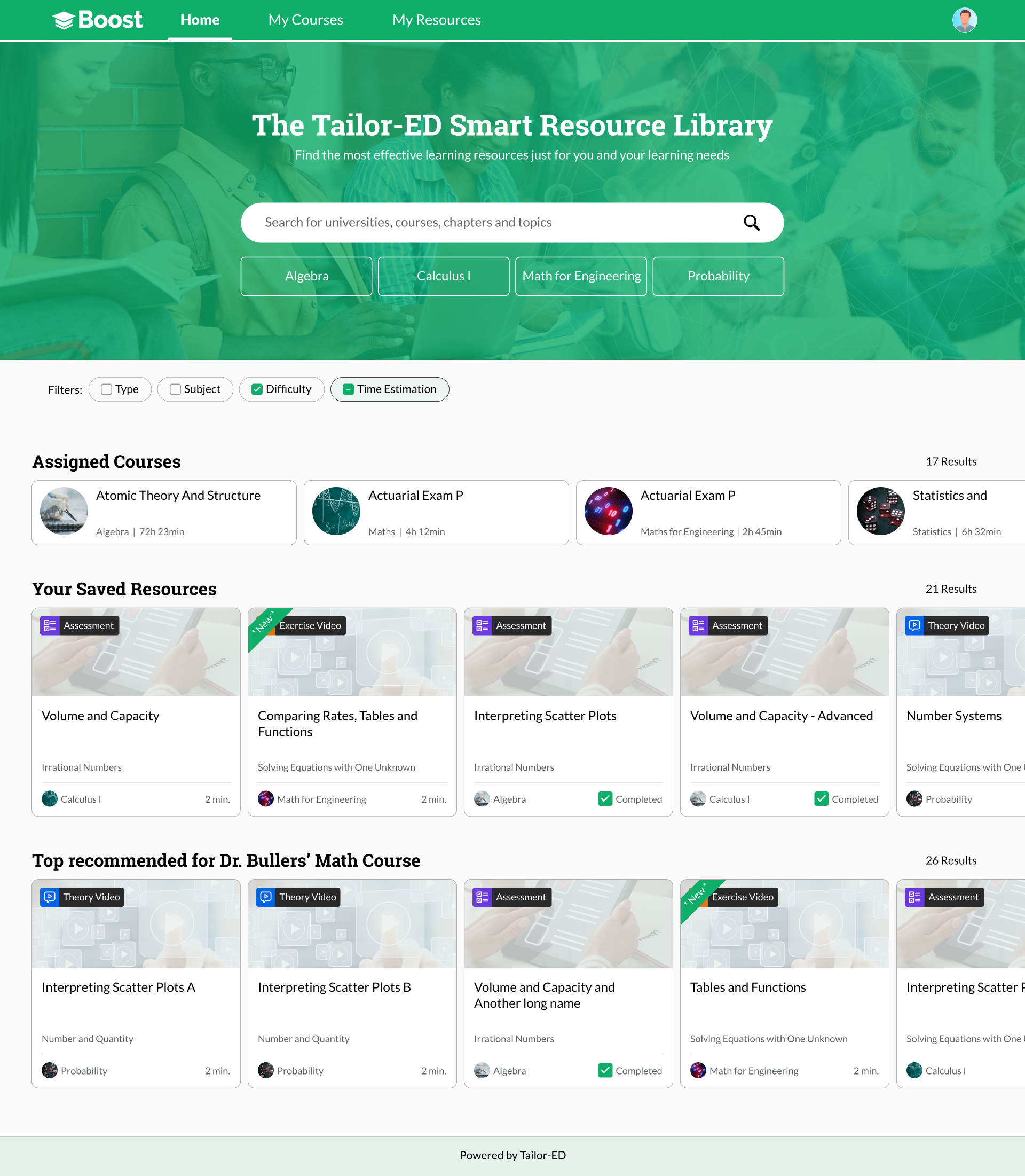
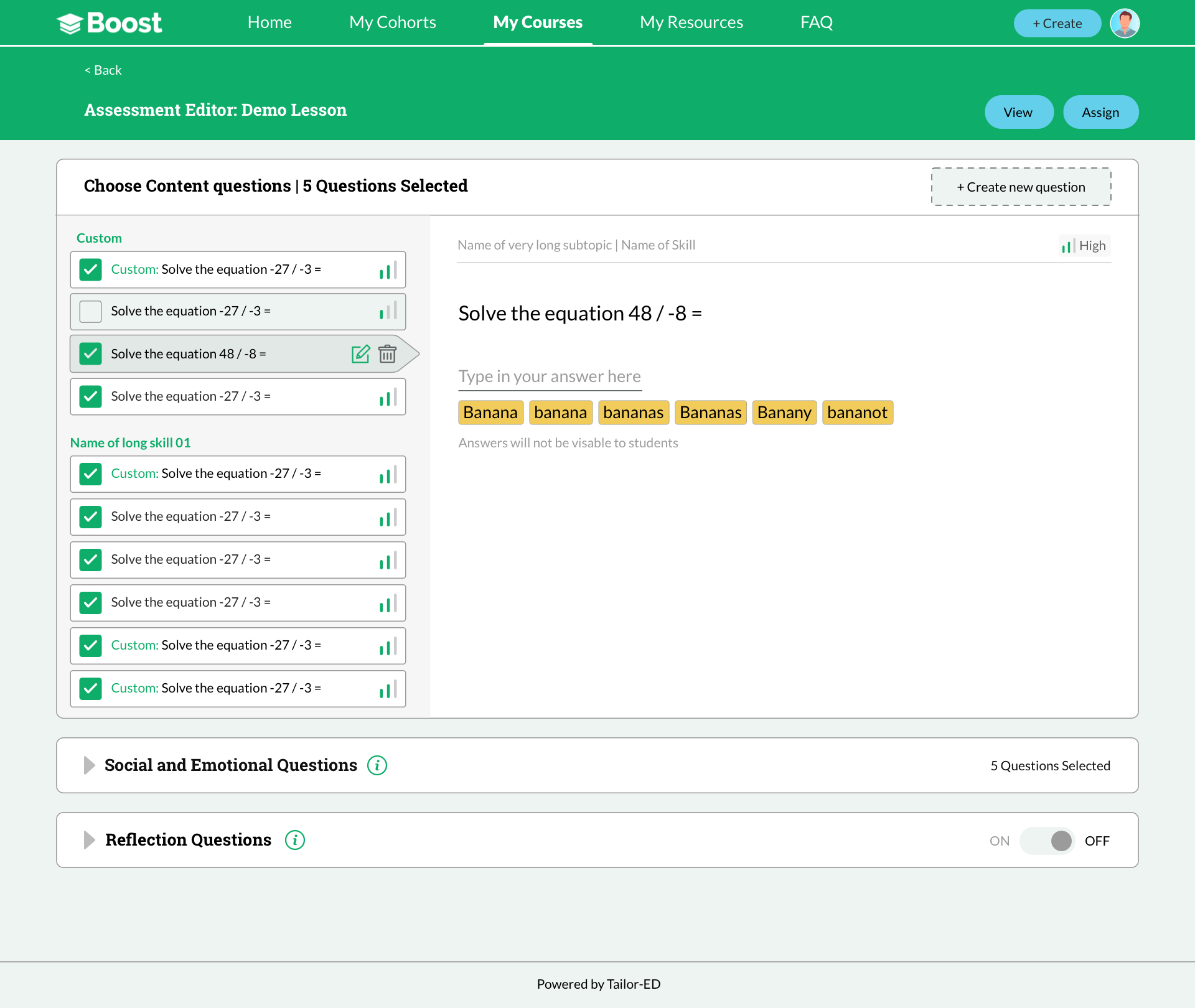
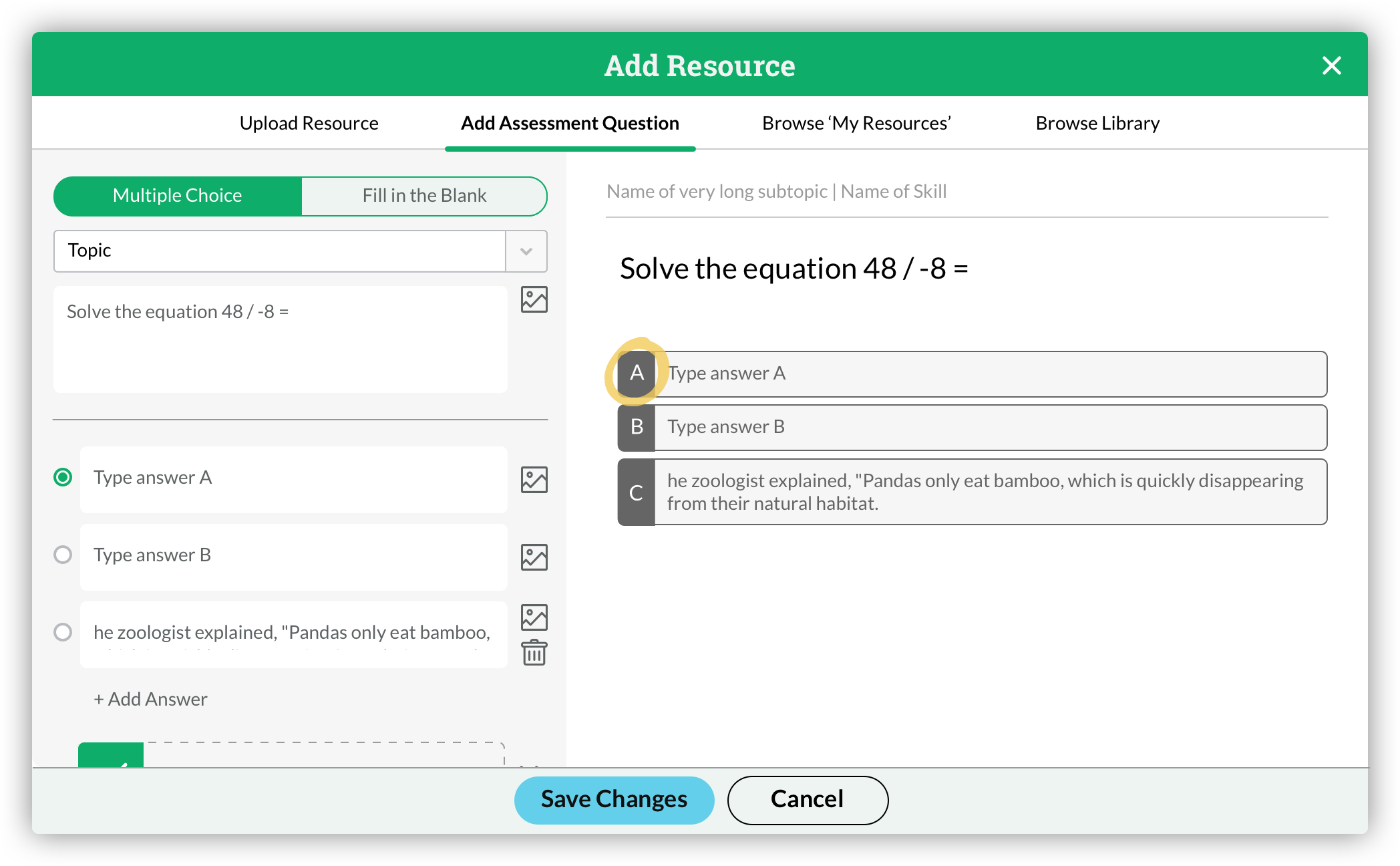
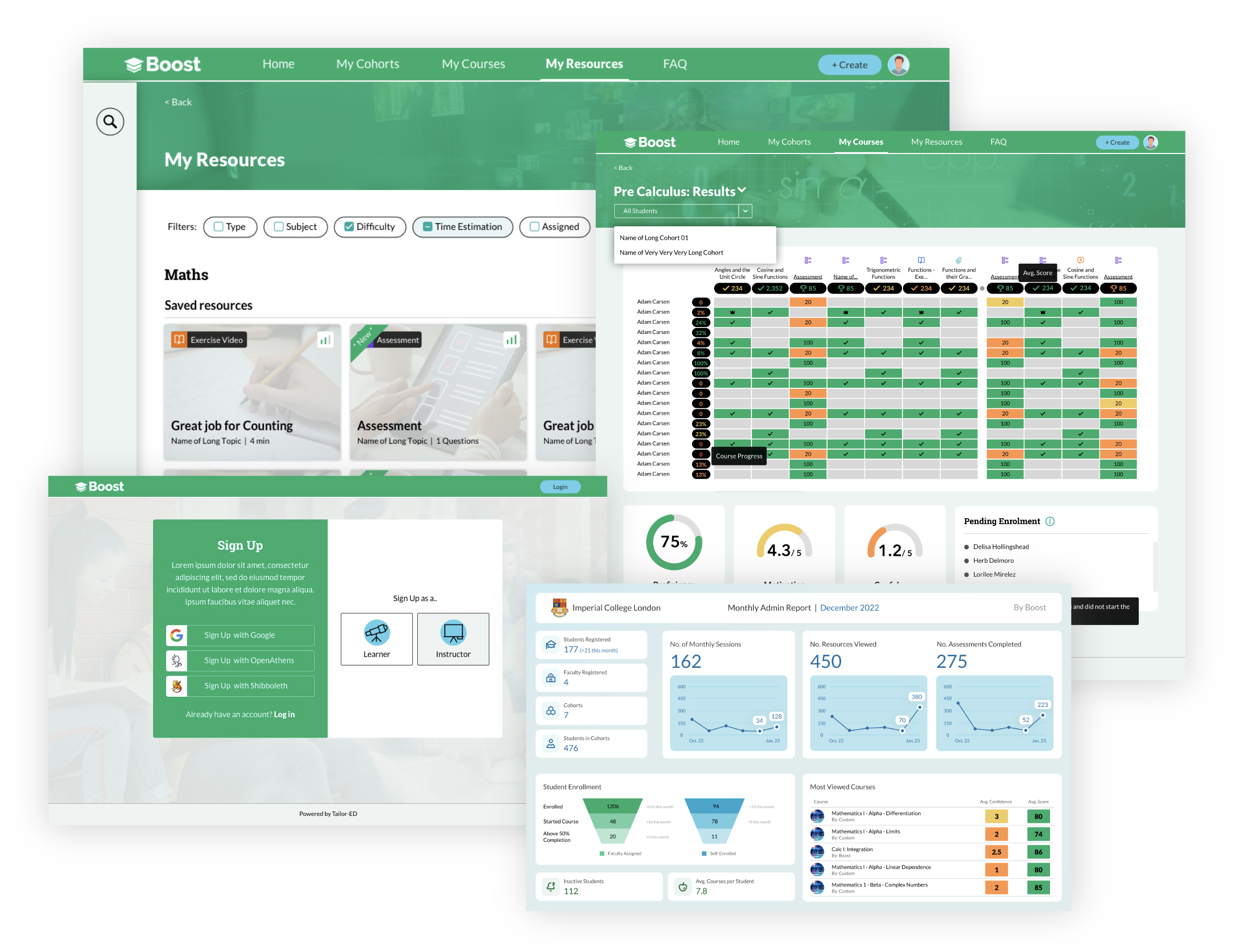
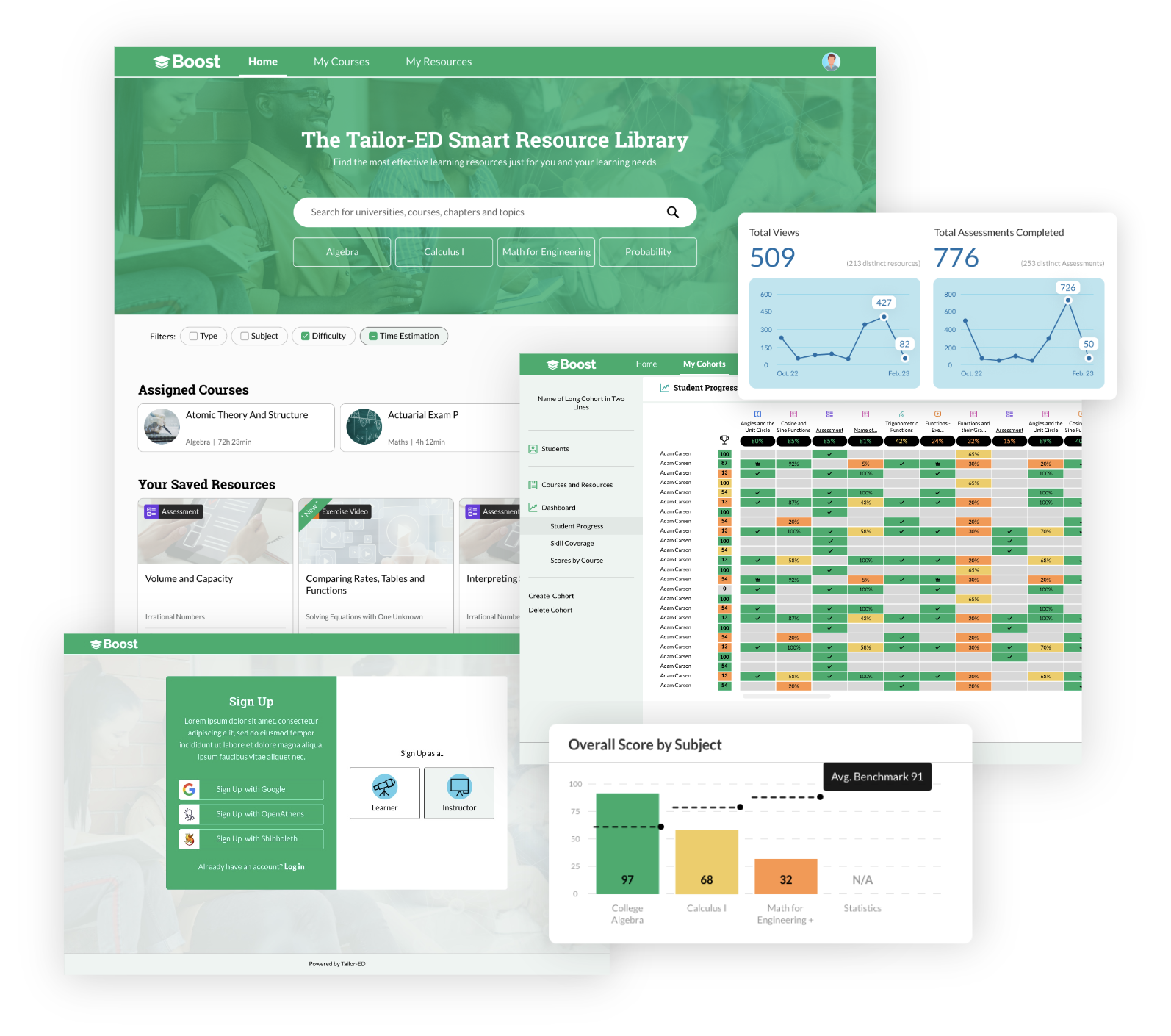
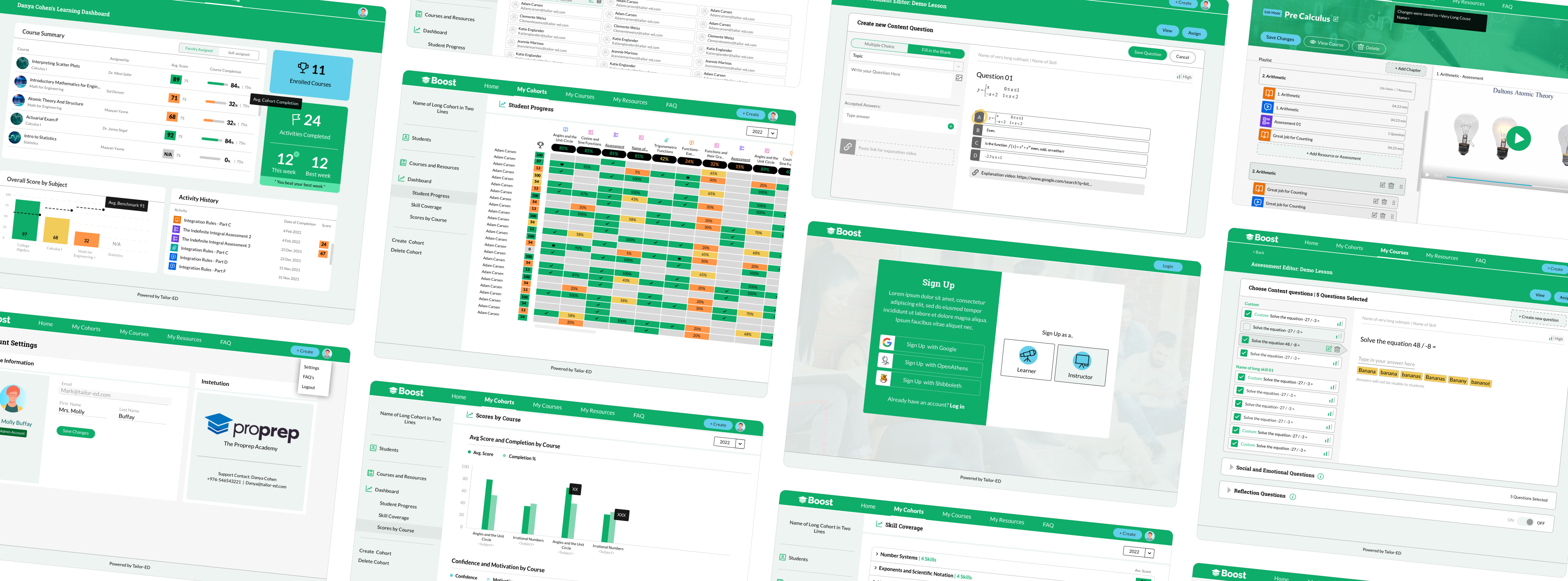
A content and brand agnostic adaptation of the k-12 platform - enabled clients to utilize Tailor-ED's proprietary algorithm and capabilities on their own content. Both student and instructor facing, the platform contained the "Smart Library", customizable digital assessments and course playlists.

About the Project:
The White-label project was a natural evolution of the k12 library. Trying to expand into other markets, this endeavour targeted content creators and learning organizations. As a marketing effort this ended-up as a one off. The adaption to a white-label was scoped into a 2-months project (including development and handoff), this required us to work fast and add some totally new abilities.


The Problem

LMS platforms and content marketplaces serve as channels for content creators to distribute their materials, yet they often lack intelligent recommendations and intuitive digital learning interfaces, leading to decreased engagement and user turnover.

This use case outlines an adaptation created for the UK-based higher education provider 'Boost', where supplementary content was developed specifically for universities.

The Market

Bridging the content gap: navigating efficient distribution and client management despite technological challenges.

A lot of content is being developed by content providers and learning organizations as well as a lot of content is in need to be digitized. They usually lack technical solutions for efficient distribution and client management, as they are not tech savvy. Solutions for this matter are LMS, LXP and other digital outlets such as youtube, Twitter.

$2.9B

Spent on marketing
by content publishers

$120k

Providers advertising budget
per year

10K

K-12 content publishers

$20B

Spent on educational content

The Audience

Users often encounter challenges related to complex interfaces, limited content personalization, and difficulty in finding relevant and engaging learning materials.

End-User Persona:

  • higher ED & K-12 content creators - Initial target audience

  • Educators for higher-ed

  • Student age focused on 15-25

Buyer Persona:

  • Learning organizations:Educational institutions (universities), non-profit organizations, businesses/corporations

  • Content publishers: Book/magazine publishers, academic / scientific / technical publishers, educational Content.

The Research

Adult users seek user-friendly, versatile platforms. Their priority is to locate information swiftly and intuitively.

Organization Needs:

  • Increase learner engagement and completion rates.

  • Differentiation from other organization through superior learning experience.

  • In some cases, need a platform to collect all their content and sell digitally to others (schools/universities), thus they need to answer to their customers needs as well.

Contant Creators Needs:

  • User-Friendly Content Creation Tools: Intuitive interfaces and simplified workflows that enable consumers to easily create and edit content without requiring advanced technical skills. As well as seamless integration with social media platforms

  • Customization Options for Personalization:Features that allow consumers to tailor the content to their preferences, such as customizable templates, fonts, colors, and themes.

Student Needs:

  • The big needs that are expressed are creating an engaging learning interface for young adults that are not a “captive audience”. Meaning captivating and gamified enough to drive self learning and intrinsic motivation.

  • Drive both “mandatory” assigned materials and self driven exploration and learning.

The Solution

Changes made in the k12 platform for the white-label project:

Gear - Elements Webflow Library - BRIX Templates

Platform Infrastructure and Seamless Organization Onboarding

  • Deliver all providers' content, with infrastructure to onboard new organizations
  • Student-facing platform (browse library, personal dashboard, login)
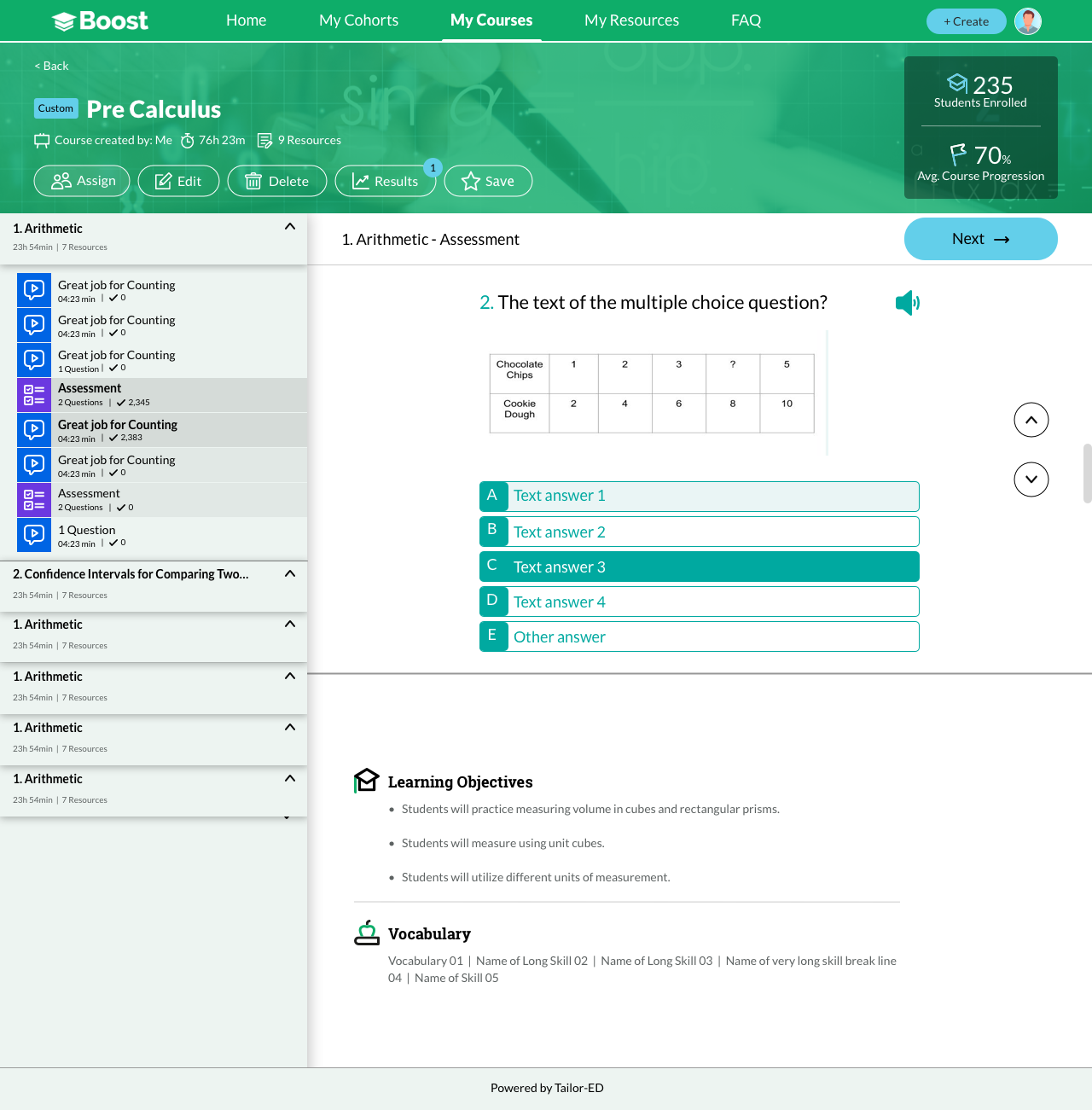
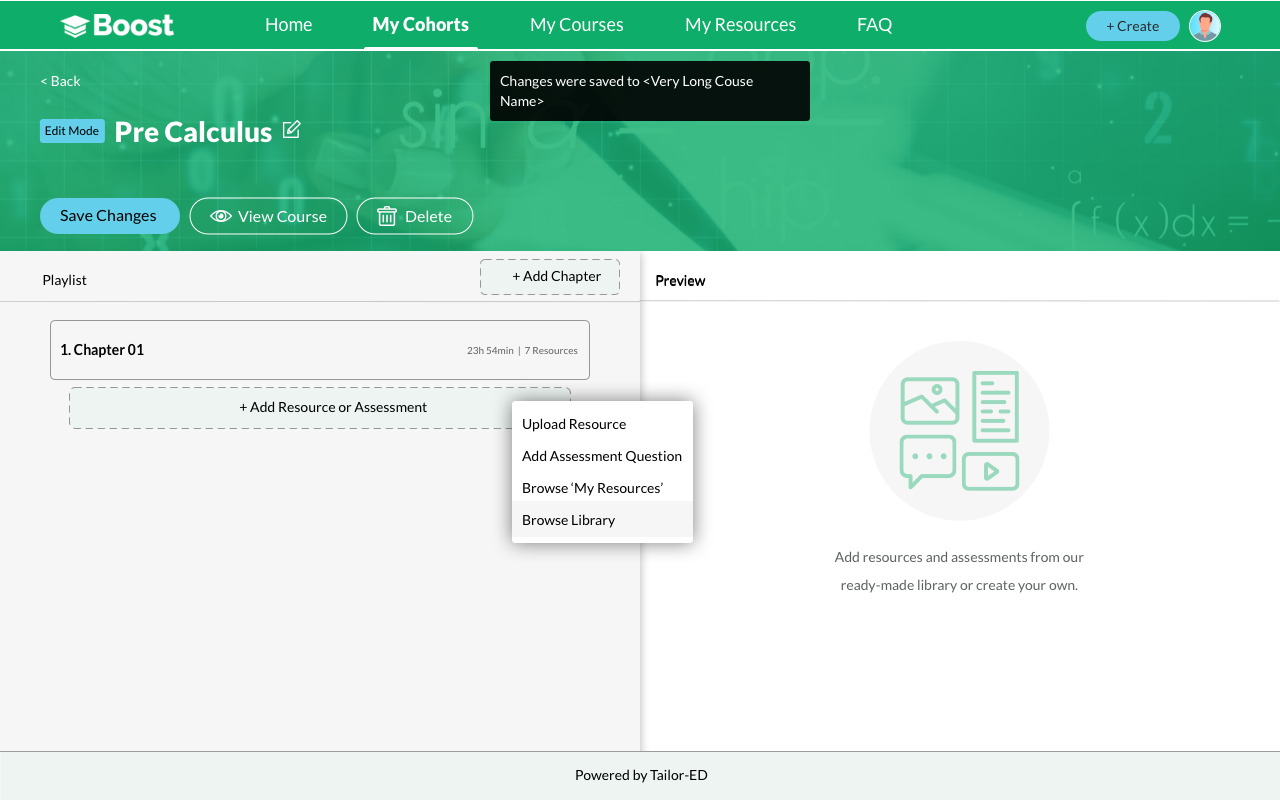
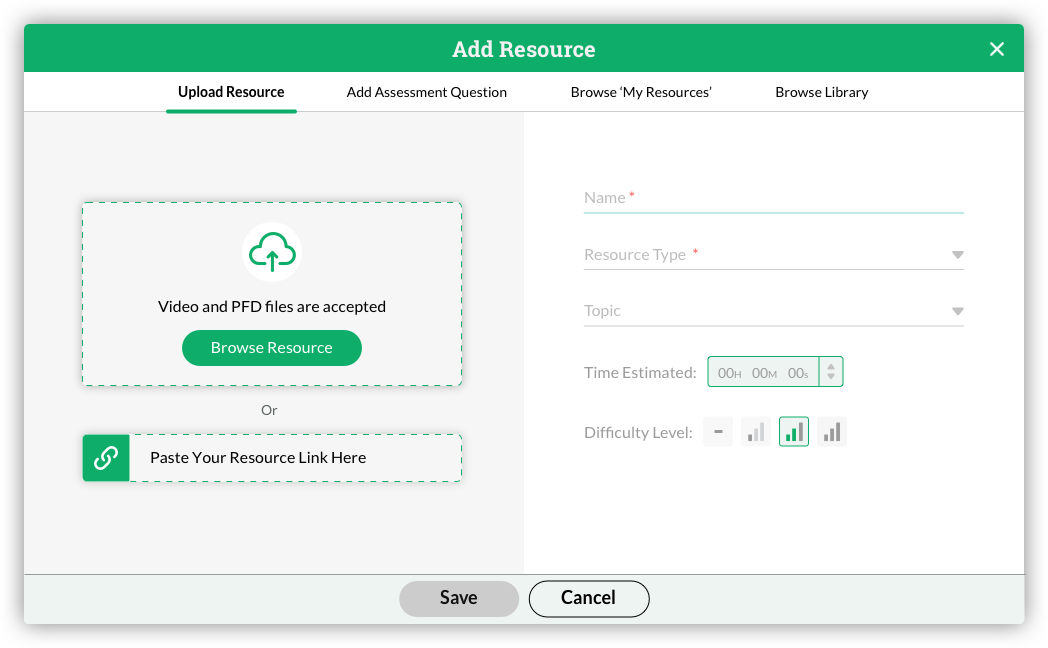
  • Course player and editor
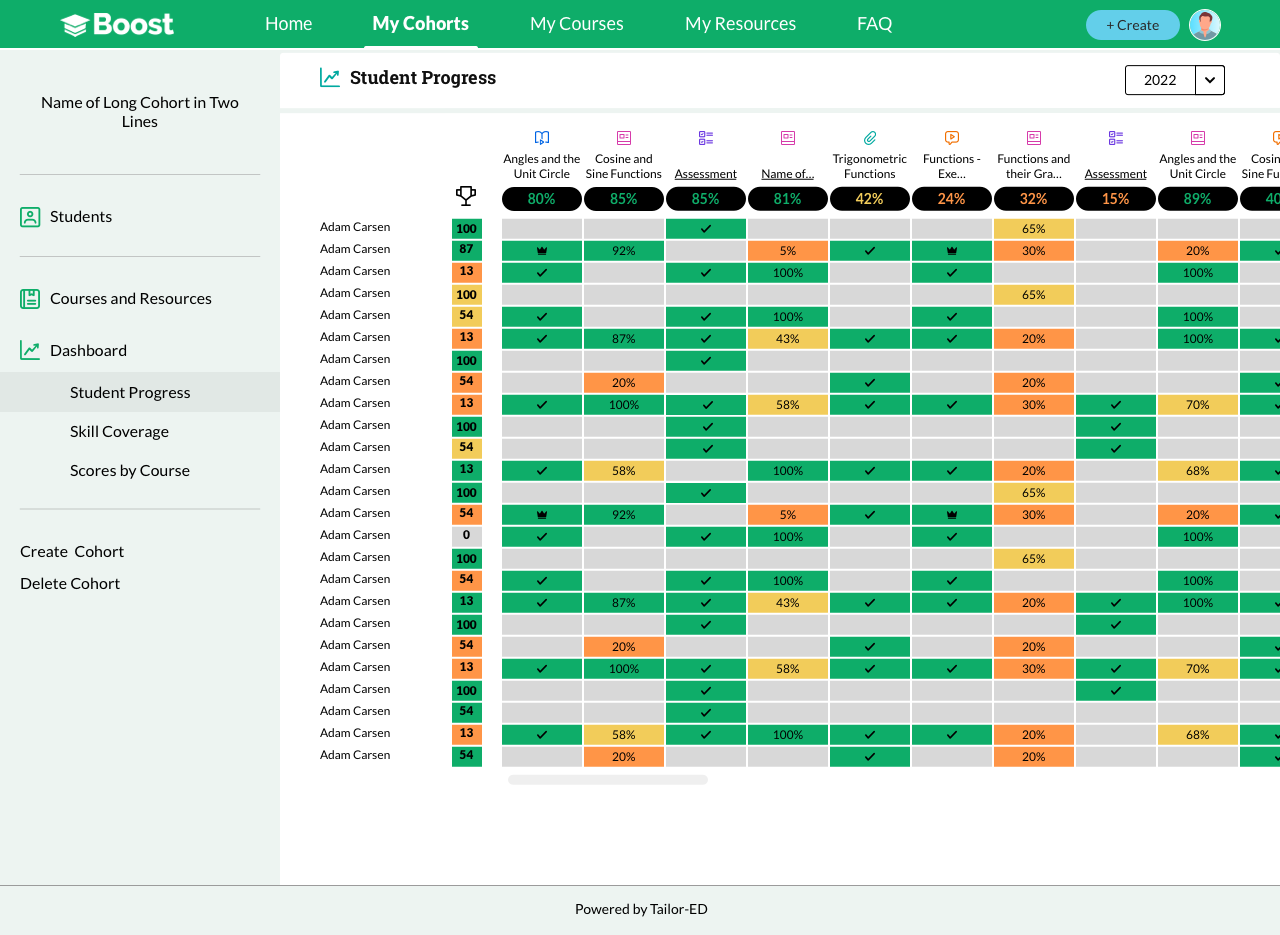
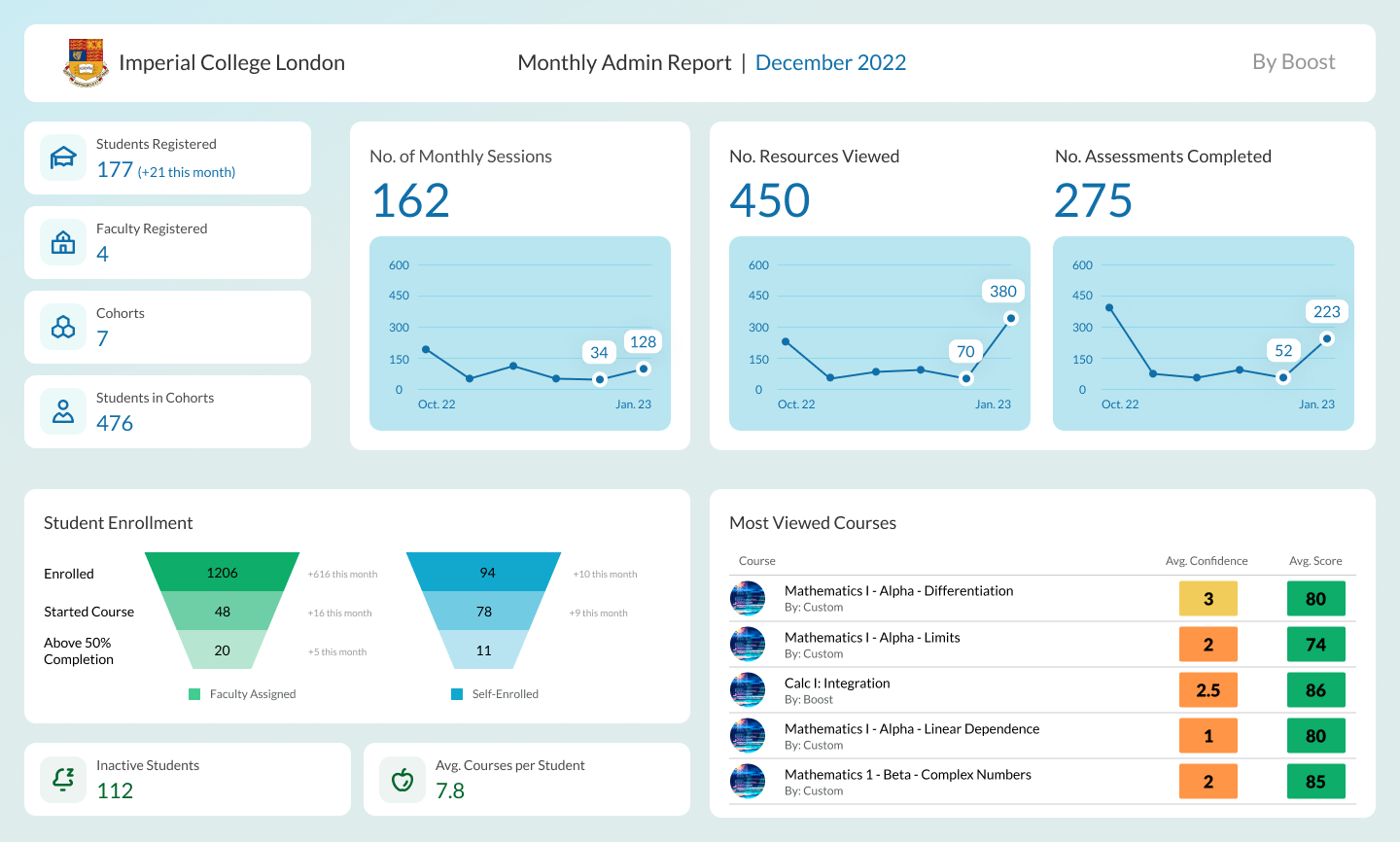
  • Course / cohort dashboard
Users - Elements Webflow Library - BRIX Templates

User Roles, Engagement, and Streamlined Course Management:

  • Providers logo and brand
  • Faculty / student user roles
  • Assign courses by faculty, and self enroll course for students
  • Classes turn to cohorts (students appear in multiple cohorts)
Product Demo
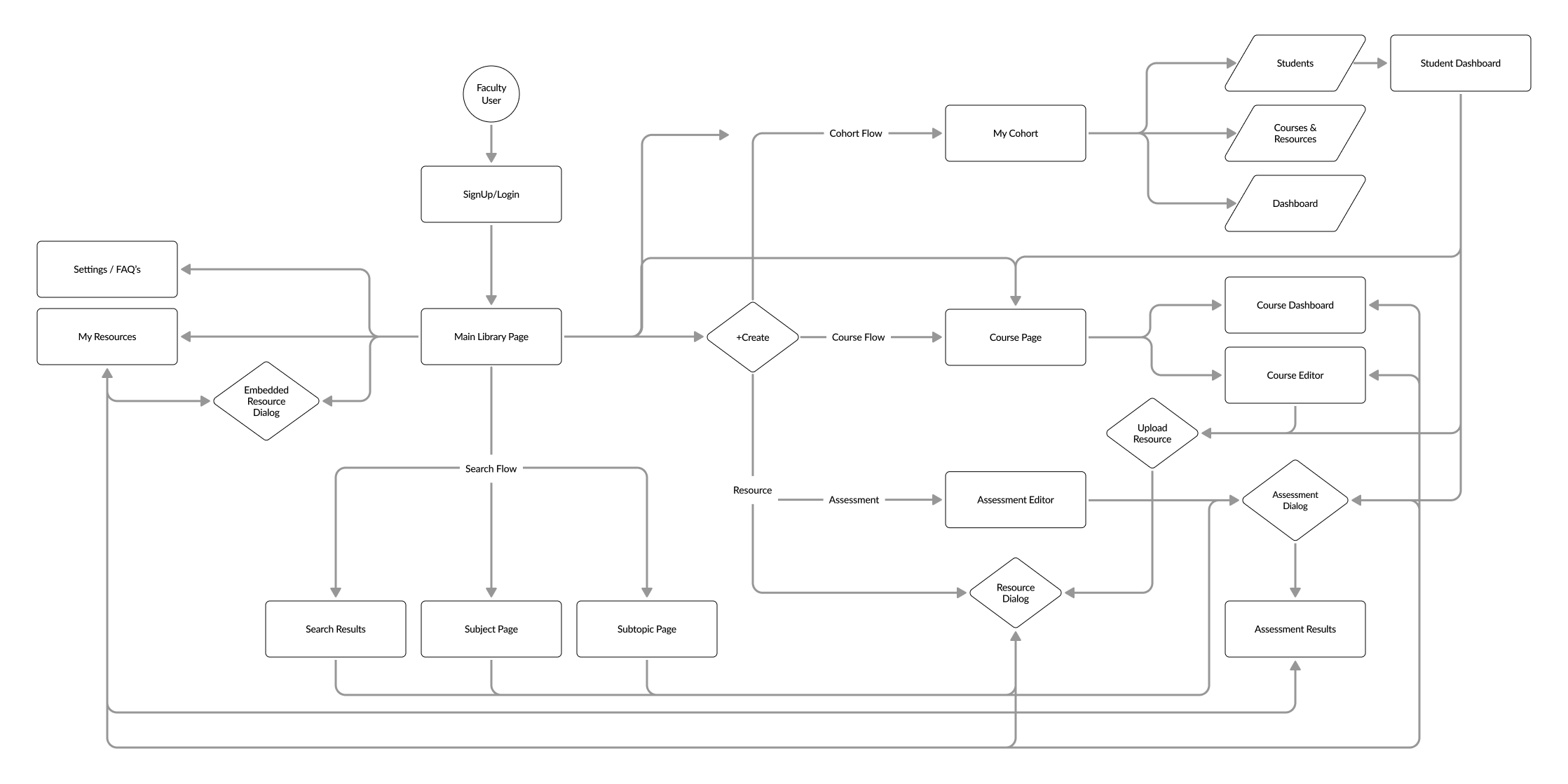
Product Flow
Key Features

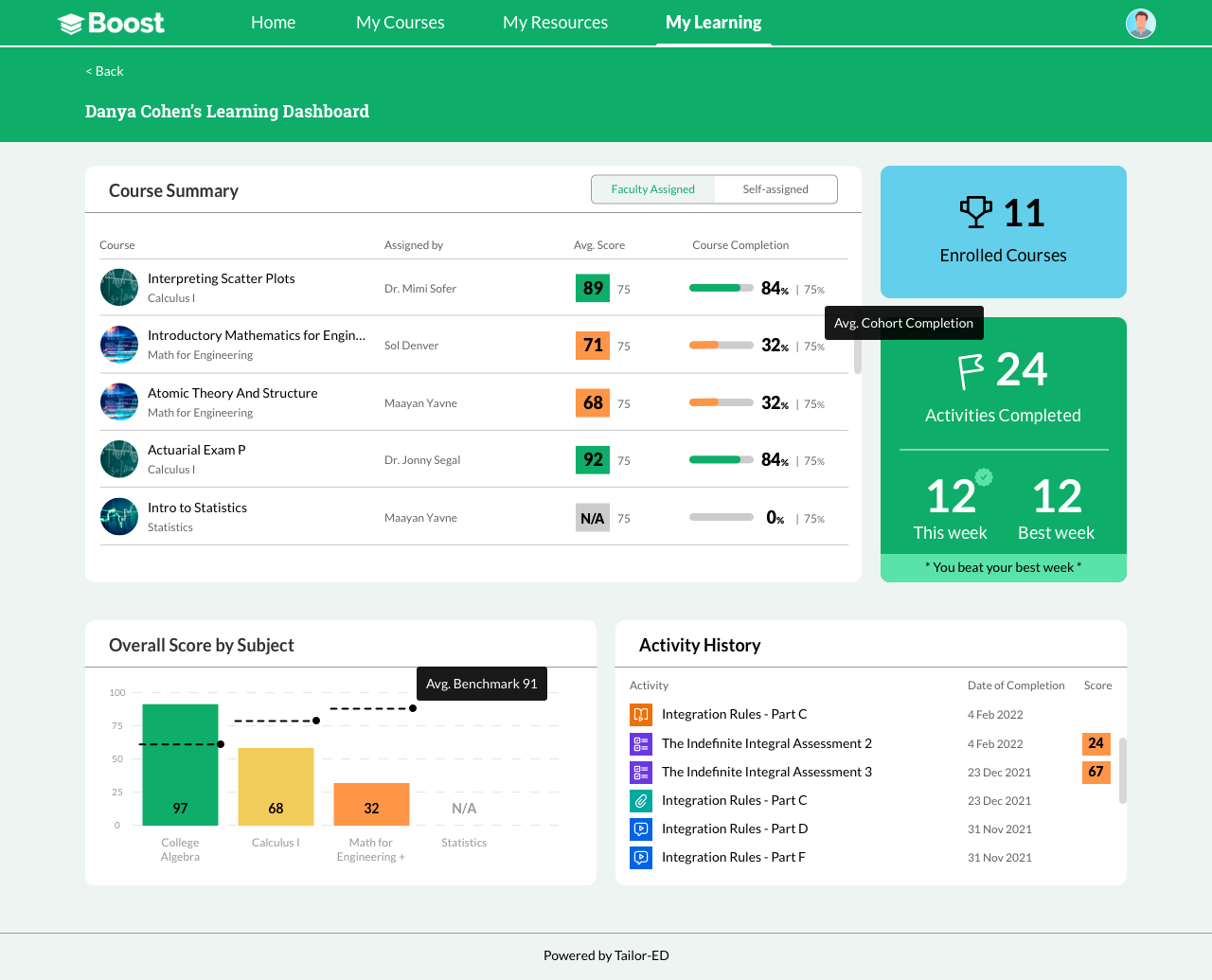
Learning Analytics for Learners

  • Learning summary to encourage learner independence: 

    Course completion data // Course progression data // Skill proficiency data
  • Opportunities for growth and reflection:

    Benchmark data // New skills mastered // Potential skill gaps

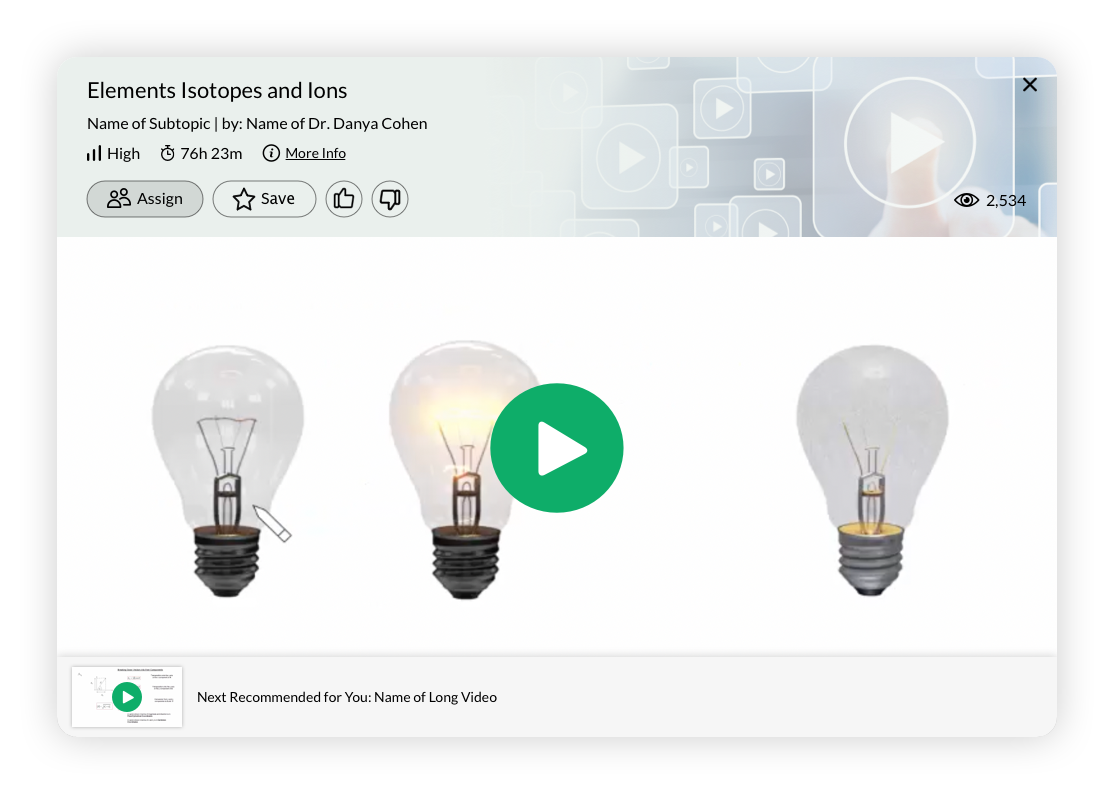
Smart Resource Library (student-facing in addition)

  • Personalized content recommendations:
    Skill-based // Content Efficacy-based // Curriculum-based // Behavioral-based // Similar / look alike
  • Personalized libraries using your providers' learning assets for each and every learner

Course Playlist and Editor

  • Dynamic & customized playlists:
    Formative assessments // Skip option // Automatic (re)ordering // Completion trackers

Reflection

The white-label project was built rapidly and while I felt we made really great work on its new features, we unfortunately didn't have much time to make a better clean up on the messy structure of the platform.

This is felt mostly on the the way the content lists are presented, and the archiving of content both for faculty and students.A messy code on the front-end side made the upkeeping of the product very difficult long term.

The white-label project was built rapidly and while I felt we made really great work on its new features, we unfortunately didn't have much time to make a better clean up on the messy structure of the platform. This is felt mostly on the the way the content lists are presented, and the archiving of content both for faculty and students.

A messy code on the front-end side made the upkeeping of the product very difficult long term.

The Market

A lot of content is being developed by content providers and learning organisations as well as a lot of content is in need to be digitized. They usually lack technical solutions for efficient distribution and client management, as they are not tech savvy. Solutions for this matter are LMS, LXP and other digital outlets such as youtube, Twitter.

  • Learning organizations: Subscription to personalized learning platform to increase effectiveness of learning and wellbeing. Annual license 15$/learner/year/subject.
  • Content publishers: Sell one or more of Tailor-ED services directly to content providers to provide engaging and personalized content delivery experiences. Annual license $6-$2/Active Learner .
$2.9B
Spent on marketing by content publishers
$20B
Spent on educational content
10K
K-12 content publishers
$120K
Providers advertising budget per year

The Users

Buyer Persona:

  • Learning organizations: Educational institutions (universities), non-profit organizations, businesses/corporations
  • Content publishers: Book/magazine publishers, academic / scientific / technical publishers, educational Content.

User Persona:

  • Initial target audience - higher ED and K-12 contect creators
  • Educators for higher-ed
  • Student age focused on 15-25

Research

Organization Needs:

  • Increase learner engagement and completion rates.
  • Differentiation from other organization through superior learning experience.
  • In some cases, need a platform to collect all their content and sell digitally to others (schools/universities), thus they need to answer to their customers needs as well.

Contant Creators Needs:

  • Attractive way to collect & sell their content to increase their sales
  • Interested in learner engagement

Student Needs:

  • The big needs that are expressed are creating an engaging learning interface for young adults that are not a “captive audience”. Meaning captivating and gamified enough to drive self learning and intrinsic motivation.
  • Trying to drive both “mandatory” assigned materials and self driven exploration and learning.

Changes Made for White label

  • Deliver all providers' content, with infrastructure to onboard new organizations
  • Providers logo and brand
  • Faculty / student user roles
  • Student-facing platform (browse library, personal dashboard, login)
  • Course player and editor
  • Assign courses by faculty, and self enroll course for students
  • Course / cohort dashboard
  • Classes turn to cohorts (students appear in multiple cohorts)
The Problem

LMS and content market places are how content creators can distribute and share their content. Both lack smart recommendations, and intuitive digital learning experiences - thus resulting in low engagement and high churn rates.

Problem

LMS platforms and content marketplaces serve as channels for content creators to distribute their materials, yet they often lack intelligent recommendations and intuitive digital learning interfaces, leading to decreased engagement and user turnover.

This use case outlines an adaptation created for the UK-based higher education provider 'Boost', where supplementary content was developed specifically for universities.

Market

Bridging the content gap: navigating efficient distribution and client management despite technological challenges.

A lot of content is being developed by content providers and learning organisations as well as a lot of content is in need to be digitized. They usually lack technical solutions for efficient distribution and client management, as they are not tech savvy. Solutions for this matter are LMS, LXP and other digital outlets such as youtube, Twitter.

  • Learning organizations: Subscription to personalized learning platform to increase effectiveness of learning and wellbeing. Annual license 15$/learner/year/subject.
  • Content publishers: Sell one or more of Tailor-ED services directly to content providers to provide engaging and personalized content delivery experiences. Annual license $6-$2/Active Learner .
$2.9B
Spent on marketing
by content publishers
$120K
Providers advertising budget
per year
10K
K-12 content publishers
$20B
Spent on educational content
Users

Users navigating these platforms often encounter challenges related to complex interfaces, limited content personalization, and difficulty in finding relevant and engaging learning materials.

Buyer Persona:

  • Learning organizations: Educational institutions (universities), non-profit organizations, businesses/corporations
  • Content publishers: Book/magazine publishers, academic / scientific / technical publishers, educational Content.

End-User Persona:

  • Initial target audience - higher ED and K-12 content creators
  • Educators for higher-ed
  • Student age focused on 15-25
Research

Adult users look for easy to navigate, adaptable platforms. They are focused on finding the what they need in a clearly and quickly.

Organization Needs:

  • Increase learner engagement and completion rates.
  • Differentiation from other organization through superior learning experience.
  • In some cases, need a platform to collect all their content and sell digitally to others (schools/universities), thus they need to answer to their customers needs as well.

Contant Creators Needs:

  • Attractive way to collect & sell their content to increase their sales.
  • Interested in learner engagement.

Student Needs:

  • The big needs that are expressed are creating an engaging learning interface for young adults that are not a “captive audience”. Meaning captivating and gamified enough to drive self learning and intrinsic motivation.
  • Drive both “mandatory” assigned materials and self driven exploration and learning.
Solution

Changes made from k12 to white-label

  • Deliver all providers' content, with infrastructure to onboard new organizations
  • Providers logo and brand
  • Faculty / student user roles
  • Student-facing platform (browse library, personal dashboard, login)
  • Course player and editor
  • Assign courses by faculty, and self enroll course for students
  • Course / cohort dashboard
  • Classes turn to cohorts (students appear in multiple cohorts)

2022-2023  |  UX/UI Design  | User Research  |  Brand Identity

White-label Library

A content and brand agnostic adaptation of the k-12 platform - enabled clients to utilize Tailor-ED's proprietary algorithm and capabilities on their own content. Both student and instructor facing, the platform contained the "Smart Library" and customizable digital assessments course playlists.

This use case outlines an adaptation created for the UK-based higher education provider 'Boost,' where supplementary content was developed specifically for universities.

A content and brand agnostic adaptation of the k-12 platform - enabled clients to utilize Tailor-ED's proprietary algorithm and capabilities on their own content. Both student and instructor facing, the platform contained the "Smart Library", customizable digital assessments and course playlists.

Year

2022-2023

Client

B2B  •  Higher-ED

Role

UX/UI 

Tools

Sketch

White-Label Library